First Transmissions: Vendored FNA Scaffolding
We vendor FNA, construct native runtime paths, and set up our development environment to render our first capital ship model.
Developer Log
- Vendoring FNA: Copied the entire FNA source repository under the project root and removed all upstream git links, ensuring absolute codebase ownership and shielding the project from upstream library drift.
- Native Lib Layouts: Configured RID-aware cross-platform copy conditions for SDL3, FNA3D, and FAudio, mapping native libraries dynamically from native library paths.
- First Window Launch: Successful window initialization with custom titles and clear color layouts, validating FNA pipelines.
Visual Changelog
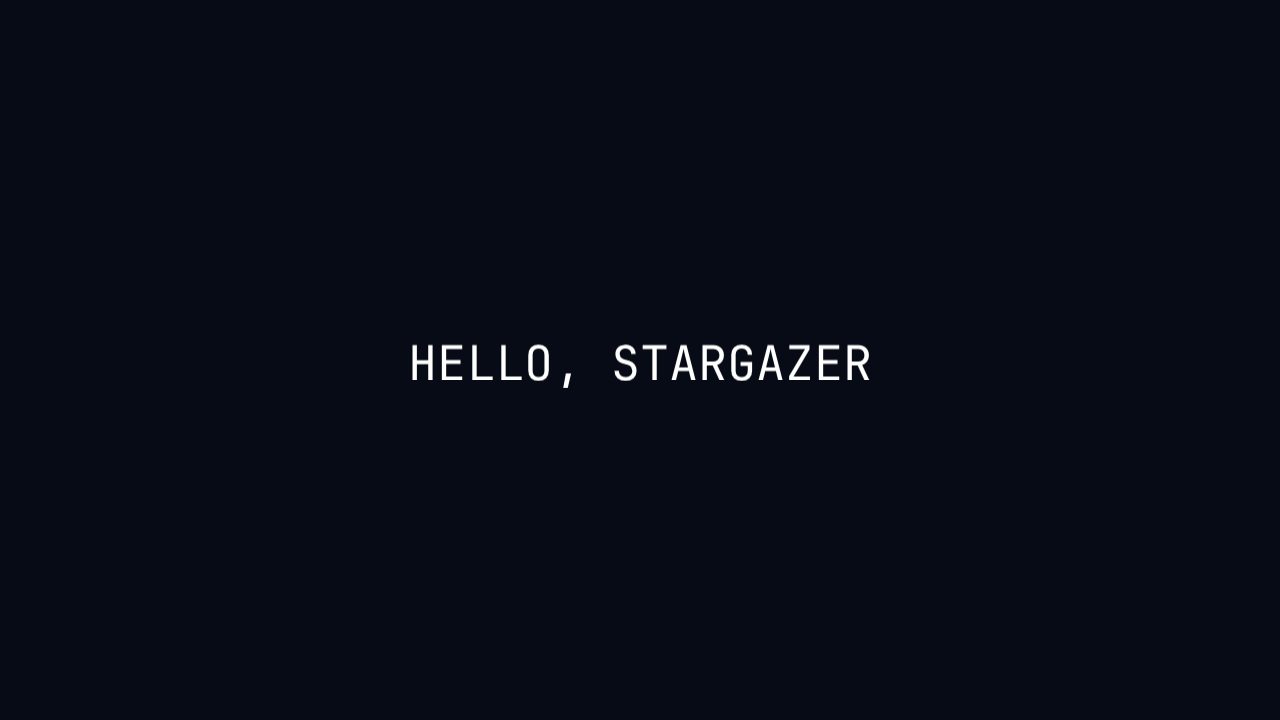 Hello World: successful execution of the FNA loop and rendering clear color background.
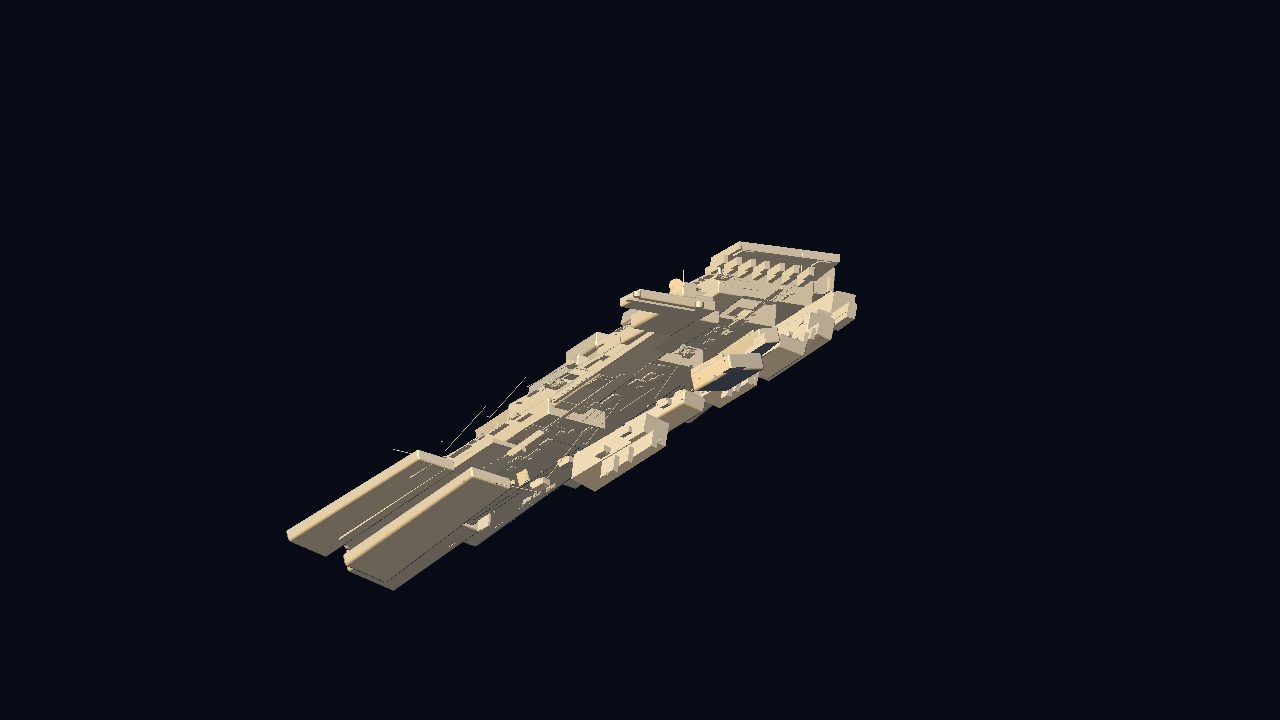 Space warship model loader verification: rendering the imported GLB mesh shell without texture mappings.
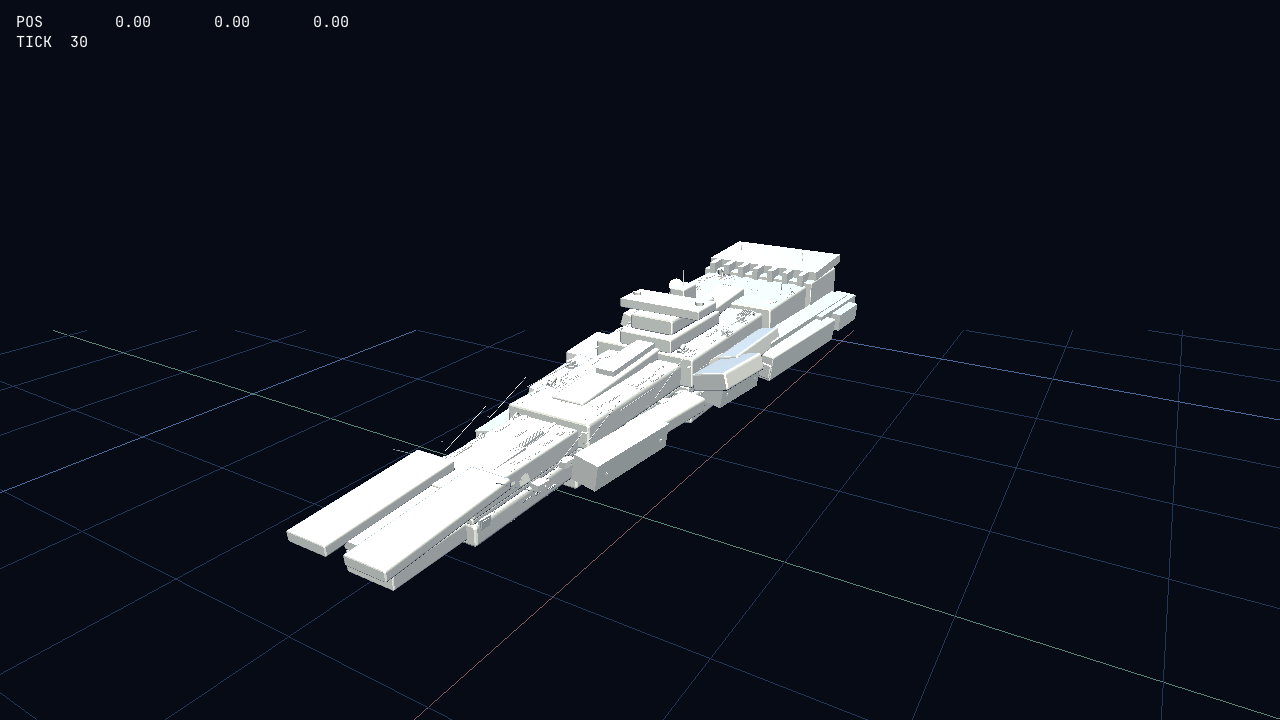
Reference grid layout outlining the world space origin and providing movement perspective.
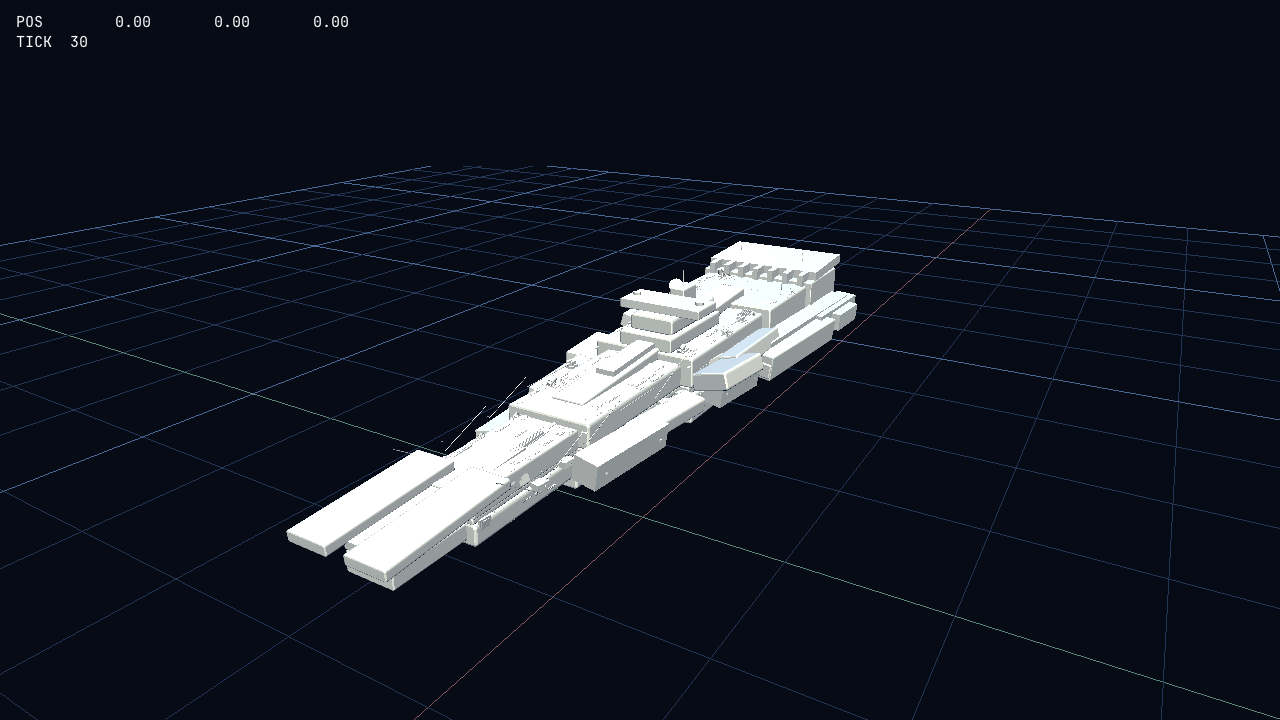 Perspective camera follow script framing the capital ship model from an offset chase angle.
Retrospective
- Log Decision Discipline: Vibe-coded projects can drift between active sessions. Committing decisions directly to append-only logs DURABLY captures the architecture reasoning.
- Kill Stale Processes Guard: Terminating stale .NET runtime instances before each build prevents system resource contention and compilation issues.
“Vendor FNA so we own the platform layer. Configure MSBuild for win, mac, linux. Render spacecraft mesh.”
FNA has been successfully copy-vendored. SDL3 native binaries mapped. Spaceship.glb wireframe rendered in the game window. Pre-push compilation gate set.